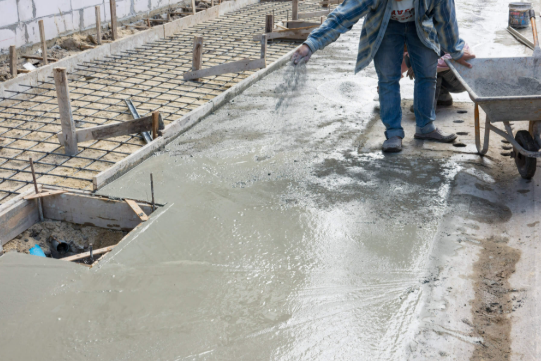
Small domestic floor pours sit in an awkward gap in the market. They are too small to interest suppliers focused on commercial work, but they still need the right equipment and support to finish properly. Most homeowners and small contractors underestimate how much that matters until something goes wrong. Choosing the wrong concrete screed suppliers for a domestic job means paying for kit built for larger sites, or getting advice from someone with no residential experience. Getting this decision right from the start saves time, money, and remedial work later.
How to Find the Right Concrete Screed Supplier
Narrow the field to suppliers who cover small domestic work before comparing anything else.
Match the Supplier to Small Domestic Floor Pours
Not every supplier stocks a kit scaled for domestic jobs. Check whether the catalogue explicitly covers small residential applications before making contact. Signs a supplier suits smaller work:
- Lightweight screeds and compact vibrating rules in the product range
- Hire rates or purchase prices realistic for small quantities
- No minimum order that makes domestic pours uneconomical
Look for Suppliers That Stock Manual and Compact Screeds
Powered screed bars and large vibrating beams are overspecified for a single room pour or small extension slab. For domestic work, look for:
- Lightweight aluminium screeding bars in shorter lengths
- Compact vibrating screeds for single-operator use
- Extension or interchangeable blade options for adaptability
The ability to adapt one piece of kit to different pour sizes saves cost and storage across multiple small jobs.
Prioritise Suppliers With Residential Project Experience
Residential floors have different finish tolerances and subbase conditions than commercial slabs. Suppliers with domestic experience can advise on bonded, unbonded, or floating floors without needing a lengthy briefing. Ask directly whether they have worked with domestic contractors or owner-builders. The quality of the answer tells you as much as the answer itself.
What to Check Before Choosing a Supplier
Once the shortlist covers relevant suppliers, these four areas separate the useful from the merely available.
See also: Pretend Play Looks Different for Autistic Toddlers, and That Is Okay
Screed Type and Size
Match the equipment to the pour. Three questions to work through before committing:
- Is the screed bar long enough to span the pour width without inconsistent multiple passes?
- Is it short enough to manoeuvre in the room without hitting walls or door frames?
- Does the finish tolerance suit the intended floor covering; tiles, timber, and vinyl each have different requirements?
Get specifications in writing and verify tolerance ratings match what the job needs.
Product Quality and Build Durability
Cheap screeding equipment fails at the worst moments. Aluminium warps, blade attachments loosen, and vibrating mechanisms produce high and low spots in the finished slab. Check:
- Aluminium grade and profile thickness in the product specs
- Warranty terms at least twelve months from a supplier confident in the product
- Whether the supplier is the manufacturer or a reseller, since resellers often have slower replacement lead times
Availability, Delivery, and Support
Concrete is batched on a schedule, and screeding happens in a tight window after the pour. Suppliers who cannot confirm next-day or same-week delivery on domestic quantities are a risk on any time-sensitive job. Also check what happens if an item arrives damaged, and whether phone support is available on the day of the pour.
Pricing for Small Domestic Jobs
Watch for pricing structures that make small pours uneconomical:
- Minimum order charges that exceed what the job requires
- Hire deposits set so high that purchase becomes the only sensible option
- Delivery charges that become a significant proportion of total cost on small orders
Two or three quotes for the same specification surfaces significant price differences on domestic quantities.
Signs of a Reliable Supplier
Good concrete screed suppliers share recognisable traits. These are the consistent markers worth looking for.
Clear Product Specs and Usage Guidance
Reliable suppliers provide full specifications without prompting: blade dimensions, weight, vibration frequency, recommended pour depth, and finish tolerance. When a product page shows only a photo and a price, the supplier probably does not fully understand what they are selling. Usage guidance in any form, whether a datasheet, setup video, or written instructions, shows a supplier who expects customers to use the product correctly.
Good Customer Service and Technical Advice
Call before buying. Ask which screed suits a specific floor type or subbase condition. The response shows whether the team has real site experience or is purely focused on sales. Suppliers who can say “this is not the right tool for your job” and direct you elsewhere are worth trusting.
Positive Reviews From Contractors or Homeowners
Look for reviews that mention:
- Product descriptions that matched what arrived
- Delivery reliability on small or urgent orders
- Responsiveness when something went wrong
Several detailed reviews from domestic pours carry more weight than dozens of generic five-star ratings with no specifics.
Easy Replacement Parts or Accessories
Blade edges wear, and extension pieces get damaged. Suppliers who turn around replacement parts within one to two days keep a job moving. Ask specifically about parts lead times and sourcing before placing an order.
FAQs
What type of concrete screed is best for small domestic floor pours?
For most domestic floors, a lightweight aluminium hand screed or compact vibrating rule is the practical choice. Both are manageable solo, sized for domestic spans, and suitable for standard residential floor coverings.
Should I buy a manual or powered screed?
For pours under twenty square metres, a manual screed is usually sufficient. Powered vibrating screeds suit larger areas or wetter mixes. If the job scope may grow, a compact powered rule is worth the investment.
How do I know if a supplier is trustworthy?
Call with a specific technical question and judge the response. Check reviews for delivery reliability. Confirm warranty terms before ordering. Suppliers who give honest answers without overselling are worth trusting.
Can one screed work for both small and larger pours?
Yes, if the screed has extension options. Many compact models accept additional blade sections that increase working width. Confirm the maximum extended length and that vibration stays effective at that span.
Takeaway
Finding the right concrete screed suppliers for small domestic floor pours comes down to the right tool type, supplier experience with residential work, and dependable support before and during the job. Check specifications carefully, compare pricing on realistic domestic quantities, and test the supplier’s technical knowledge before committing.
Pro-Mix Concrete stocks screed solutions scaled for domestic work, with a team that understands residential floor requirements and can advise on the right equipment for the job. The team understands the specific demands of domestic floor pours: the tight timelines, the finish tolerances, and the need for equipment and mixes sized correctly for the job.
Contact them to discuss your project.
Read More: Which Concrete Mix Is Best For A Driveway