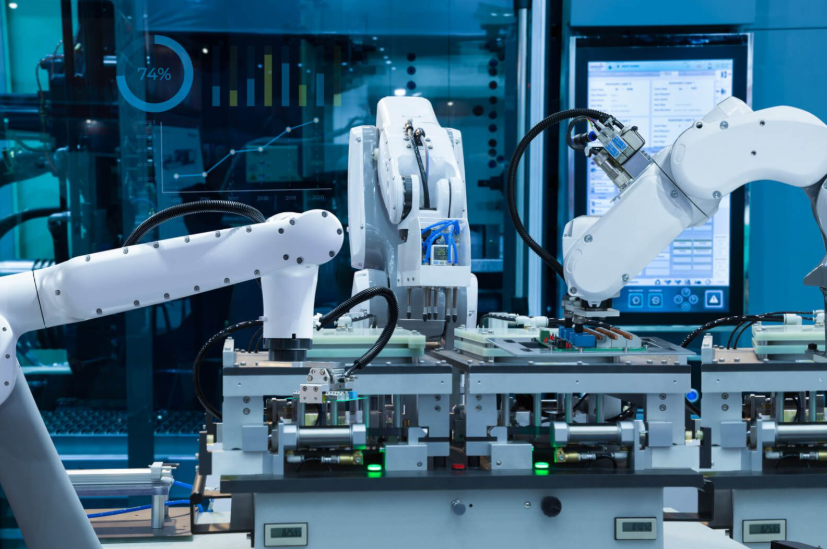
Digital manufacturing technology trends are reshaping the industrial sector. The emergence of smart factories reflects a shift towards automation and IoT integration. These developments aim to enhance operational efficiency and streamline production processes. Meanwhile, advancements in additive manufacturing offer innovative design possibilities while promoting sustainability. As these technologies converge, the implications for competitiveness and market positioning become increasingly significant. Understanding these dynamics is crucial for organizations looking to thrive in an evolving landscape.
The Rise of Smart Factories
As industries increasingly embrace digital transformation, the concept of smart factories has emerged as a pivotal trend in manufacturing.
These facilities leverage IoT integration and advanced automation systems to optimize processes, enhance productivity, and reduce operational costs.
Advancements in Additive Manufacturing
While the manufacturing landscape evolves, advancements in additive manufacturing are reshaping production methodologies and redefining possibilities in design and materials.
Innovations in 3D printing technology foster material innovations, enabling diverse applications across industries. Enhanced design optimization techniques allow for more intricate geometries and lightweight structures, significantly improving performance and reducing waste.
This empowers manufacturers to explore unprecedented avenues in product development and customization.
The Role of Predictive Analytics
Predictive analytics has emerged as a transformative force in the manufacturing sector, harnessing vast amounts of data to forecast trends and optimize operations.
By enabling predictive maintenance, manufacturers can preemptively address equipment failures, thus minimizing downtime.
This approach facilitates data-driven decisions, empowering organizations to enhance efficiency, reduce costs, and ultimately achieve greater operational excellence in a competitive landscape.
See also: morningtimenews
Embracing Sustainable Practices
The integration of predictive analytics in manufacturing has set the stage for adopting sustainable practices within the industry.
By leveraging data-driven insights, manufacturers can optimize processes, reduce waste, and select sustainable materials. This shift not only enhances energy efficiency but also aligns with consumer demand for environmentally responsible products.
Embracing such practices empowers manufacturers to achieve both operational excellence and a commitment to sustainability.
Conclusion
In conclusion, the convergence of digital manufacturing technologies is reshaping the industrial landscape, fostering smart factories that prioritize efficiency and sustainability. The theory that these technologies can lead to significant competitive advantages is substantiated by the empirical evidence of enhanced operational performance and waste reduction. As organizations embrace IoT, automation, and predictive analytics, they not only meet evolving market demands but also position themselves as leaders in an increasingly eco-conscious global economy, thereby validating the transformative power of digital manufacturing.