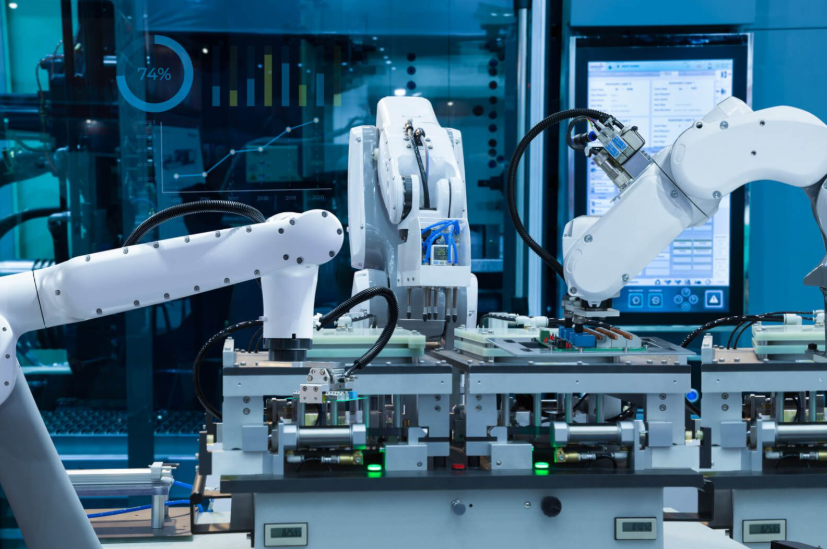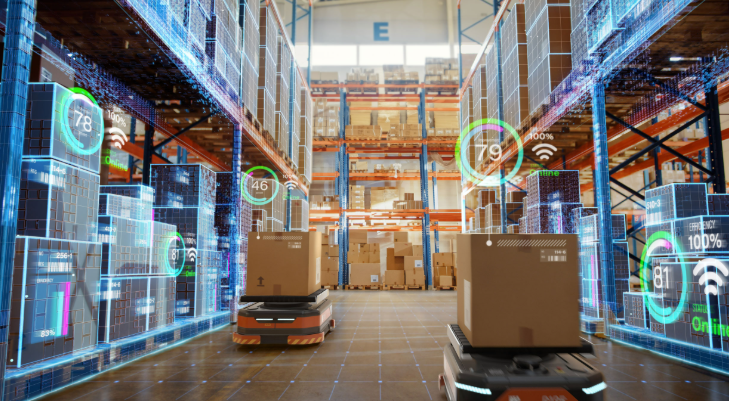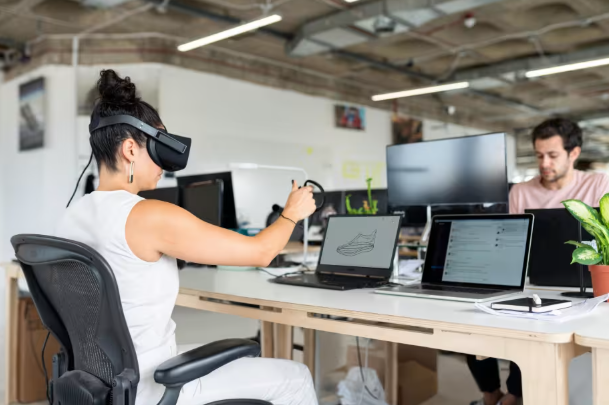
Digital office technology trends are significantly transforming how organizations operate. The integration of artificial intelligence, remote work tools, and cloud solutions is reshaping workplace dynamics. By automating routine tasks, companies are enhancing efficiency and allowing employees to concentrate on strategic initiatives. Meanwhile, the emphasis on cybersecurity is crucial as organizations navigate this digital evolution. Understanding these trends is vital for businesses striving for innovation and agility in an increasingly complex environment. What lies ahead in this digital journey?
The Impact of Artificial Intelligence on Workplace Efficiency
How has artificial intelligence transformed workplace efficiency in recent years?
AI automation has streamlined repetitive tasks, enabling employees to focus on higher-value work.
Predictive analytics offers organizations insights into trends and patterns, enhancing decision-making processes.
This evolution not only increases productivity but also fosters a culture of innovation, allowing businesses to adapt swiftly and thrive in an ever-changing landscape.
Embracing Remote Work Technologies
As organizations increasingly recognize the potential of remote work technologies, they are adopting a range of tools that facilitate collaboration and communication across dispersed teams.
Virtual communication platforms enable seamless interactions, while innovative remote team building strategies foster engagement and camaraderie.
This shift not only enhances productivity but also empowers employees, allowing them the flexibility to work effectively from any location.
Enhancing Collaboration With Cloud Solutions
While many organizations have recognized the necessity of remote work, enhancing collaboration through cloud solutions has become critical for maximizing team effectiveness.
Cloud-based tools facilitate seamless communication, allowing teams to share resources and ideas effortlessly. This technology fosters team connectivity, breaking down geographical barriers and enabling a more agile work environment.
As a result, organizations can thrive in an increasingly digital landscape.
See also: Digital Manufacturing Technology Trends
Prioritizing Cybersecurity in a Digital Workspace
Given the increasing reliance on digital tools and remote work, organizations must prioritize cybersecurity to safeguard sensitive information and maintain operational integrity.
Implementing robust cybersecurity training programs empowers employees to recognize threats and protect data effectively.
Additionally, investing in advanced data protection measures ensures that organizations can mitigate risks, fostering a secure digital workspace where innovation and collaboration thrive without compromising security.
Conclusion
In conclusion, the integration of digital office technologies is not merely a passing trend but a fundamental shift that reshapes workplace dynamics. By harnessing artificial intelligence, remote work tools, and cloud solutions, organizations can significantly enhance efficiency and collaboration. However, as the saying goes, “a chain is only as strong as its weakest link,” underscoring the critical importance of prioritizing cybersecurity. Embracing these advancements equips businesses to thrive in an ever-evolving digital landscape, fostering innovation and resilience.