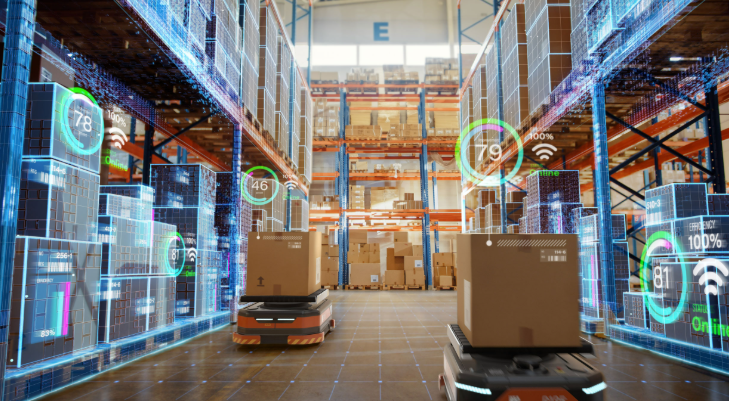
Digital twins represent a transformative shift in supply chain technology. These virtual replicas enable organizations to monitor assets and processes in real-time. By integrating diverse data sources, they enhance decision-making and operational efficiency. However, the implementation of digital twins is not without challenges. Understanding these complexities is crucial for organizations looking to leverage this technology effectively. What implications do these factors have on the future of supply chain management?
Understanding Digital Twins: Definition and Functionality
Digital twins represent a transformative approach in supply chain technology, functioning as virtual replicas of physical assets, processes, or systems.
These digital counterparts enable real-time monitoring, facilitating the continuous observation of operations. By integrating predictive analytics, they provide insights into potential future scenarios, allowing supply chain managers to make informed decisions that optimize efficiency and resource allocation, ultimately fostering operational freedom.
Benefits of Implementing Digital Twins in Supply Chains
As organizations increasingly adopt digital twin technology in their supply chains, they unlock a myriad of benefits that enhance operational efficiency and responsiveness.
Key advantages include significant cost savings through optimized resource allocation and reduced waste.
Additionally, real-time monitoring capabilities facilitate proactive decision-making, enabling firms to swiftly adapt to disruptions and market changes, ultimately leading to improved competitiveness and customer satisfaction.
Challenges and Considerations in Adopting Digital Twin Technology
While the advantages of digital twin technology in supply chains are compelling, several challenges and considerations must be addressed for successful implementation.
Data integration remains a critical obstacle, as disparate systems often hinder seamless connectivity.
Additionally, cost implications related to initial setup, ongoing maintenance, and workforce training must be carefully analyzed to ensure that organizations can effectively leverage the benefits of digital twins.
See also: Digital Manufacturing Technology Trends
The Future of Digital Twins in Supply Chain Management
The future of digital twins in supply chain management promises to transform operational efficiency and decision-making processes, particularly as advancements in artificial intelligence and machine learning enhance their capabilities.
This digital transformation enables real-time data integration, fostering predictive analytics that drive proactive strategies.
As organizations embrace these technologies, they will unlock new potential for optimization, flexibility, and innovation, ultimately reshaping supply chain dynamics.
Conclusion
In conclusion, the integration of digital twins into supply chain management presents a transformative opportunity for organizations to enhance efficiency and responsiveness. While concerns regarding data security and integration complexity may arise, the strategic advantages—such as real-time insights and predictive capabilities—far outweigh these challenges. As businesses increasingly prioritize agility and data-driven decision-making, embracing digital twin technology becomes not just advantageous, but essential for maintaining competitive edge in an evolving market landscape.